
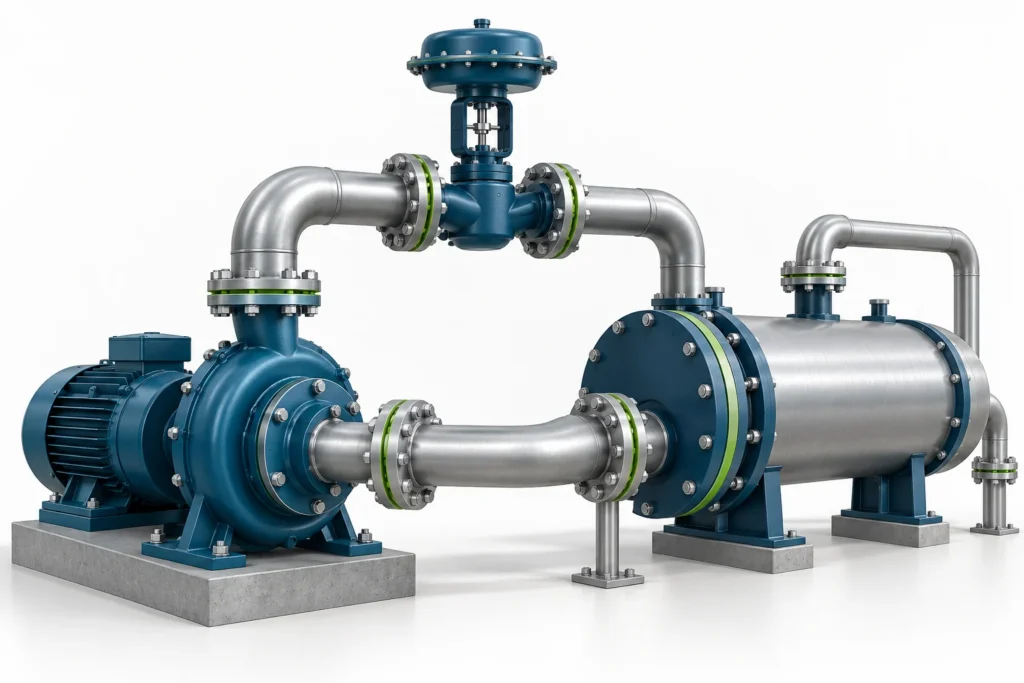
Choose the application that matches your requirement
Use these guides to prepare the specification. They are product-selection starting points; final material and construction choices require the details of your equipment and operating duty.
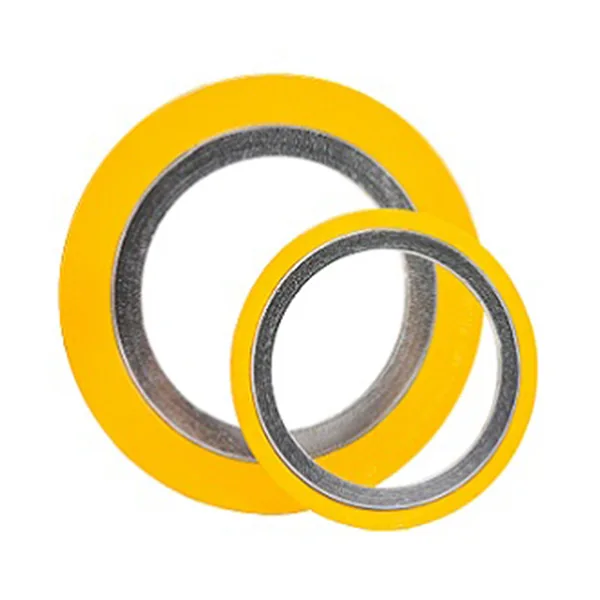
Flange connections
Flange standard, facing and seating geometry determine the starting point. Compare spiral wound, RTJ, kammprofile and cut gaskets against the connection rather than choosing from material alone.
Read more →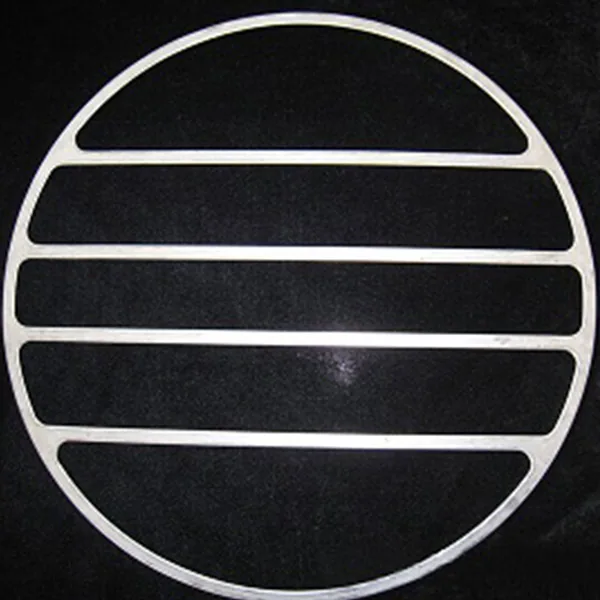
Heat exchanger joints
Heat exchanger gaskets may have partitions, bolt holes, grooves and non-circular profiles. A complete drawing is more useful than an outer diameter alone. Keep the seating geometry and material specification together.
Read more →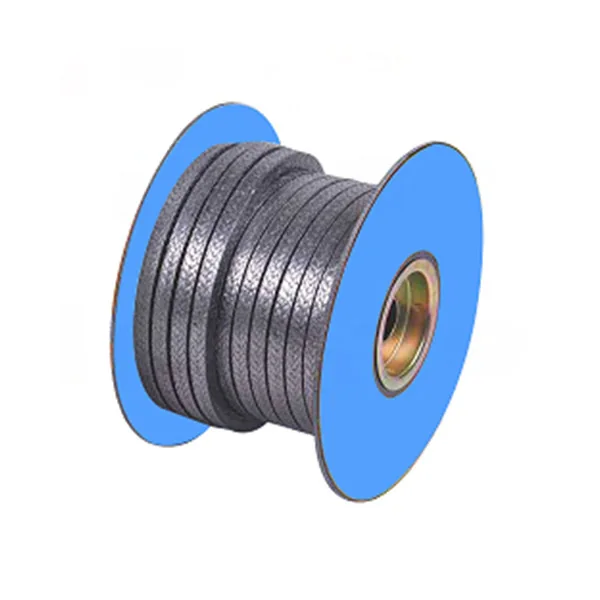
Pump and valve stuffing boxes
Pump shafts and valve stems impose different motion and loading on packing. Choose the braid, reinforcement or formed ring set for the actual stuffing box and service duty.
Read more →
Chemical process sealing
Start with the actual fluid and operating conditions. Virgin, filled and expanded PTFE are different constructions, while graphite and other materials have their own service limits. Compatibility must be checked for the selected grade.
Read more →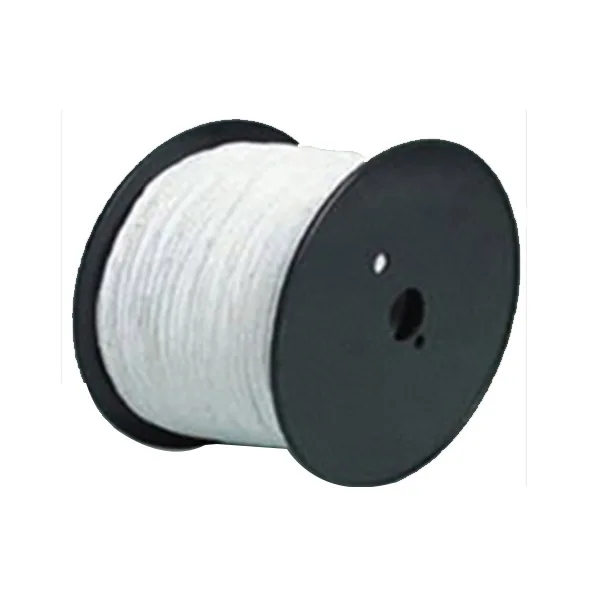
Gasket and packing fabrication
Fabricators need inputs that match their cutting, winding or braiding process. Sheet thickness, yarn construction, winding strip, filler tape and ring dimensions belong in the production specification.
Read more →Flange connections
Flange standard, facing and seating geometry determine the starting point. Compare spiral wound, RTJ, kammprofile and cut gaskets against the connection rather than choosing from material alone.
Include in your RFQ: flange standard and edition, nominal size, pressure class, facing, gasket construction, materials and quantity.
Heat exchanger joints
Heat exchanger gaskets may have partitions, bolt holes, grooves and non-circular profiles. A complete drawing is more useful than an outer diameter alone. Keep the seating geometry and material specification together.
Include in your RFQ: equipment drawing, gasket profile, partition dimensions, thickness, material, service conditions and quantity.
Pump and valve stuffing boxes
Pump shafts and valve stems impose different motion and loading on packing. Choose the braid, reinforcement or formed ring set for the actual stuffing box and service duty.
Include in your RFQ: shaft or stem diameter, box bore and depth, motion or speed, fluid, temperature, pressure and packing section.
Chemical process sealing
Start with the actual fluid and operating conditions. Virgin, filled and expanded PTFE are different constructions, while graphite and other materials have their own service limits. Compatibility must be checked for the selected grade.
Include in your RFQ: chemical identity and concentration, operating conditions, flange or equipment details, grade, dimensions and quantity.
Gasket and packing fabrication
Fabricators need inputs that match their cutting, winding or braiding process. Sheet thickness, yarn construction, winding strip, filler tape and ring dimensions belong in the production specification.
Include in your RFQ: finished product design, input material and dimensions, production process, quantities and inspection requirements.
A complete application RFQ
| Requirement | Why it matters |
|---|---|
| Connection or equipment | Defines the joint geometry, assembly and motion. |
| Fluid and conditions | Used to review material and construction for the actual duty. |
| Drawing or standard | Defines the dimensions, configuration and revision. |
| Quantity and delivery | Defines the order scope and quotation basis. |
| Inspection documents | Identifies the acceptance and records needed for the order. |
Application selection questions
Can one gasket material cover every application?
No. Review the actual fluid, operating conditions, flange or equipment geometry and selected material grade. Different constructions within the same material family can behave differently.
How do I start if I only have an old part?
Send the equipment or part reference, photographs and known dimensions. Include the flange or equipment drawing and material specification where available. A used part may have changed shape or thickness.
Can I request several sealing product types in one quotation?
Yes. List each item with its dimensions, material, quantity and equipment duty. Keep different materials and sizes on separate lines so the quotation can identify the complete supply scope.
Send your application details
Send your product list, drawing revision, materials, dimensions, quantities and delivery destination. Cindy will coordinate the quotation and any questions about the specification.
Send an RFQ ↗