
Identify both flanges and the joint
Provide the flange standard, nominal size, class, facing and relevant bore details. For a replacement, include the kit designation and drawing rather than transferring one component from a different assembly.
The flange insulation kit page lists the main components. Confirm any supplier style code against the drawing, because a letter designation does not independently establish every component dimension.
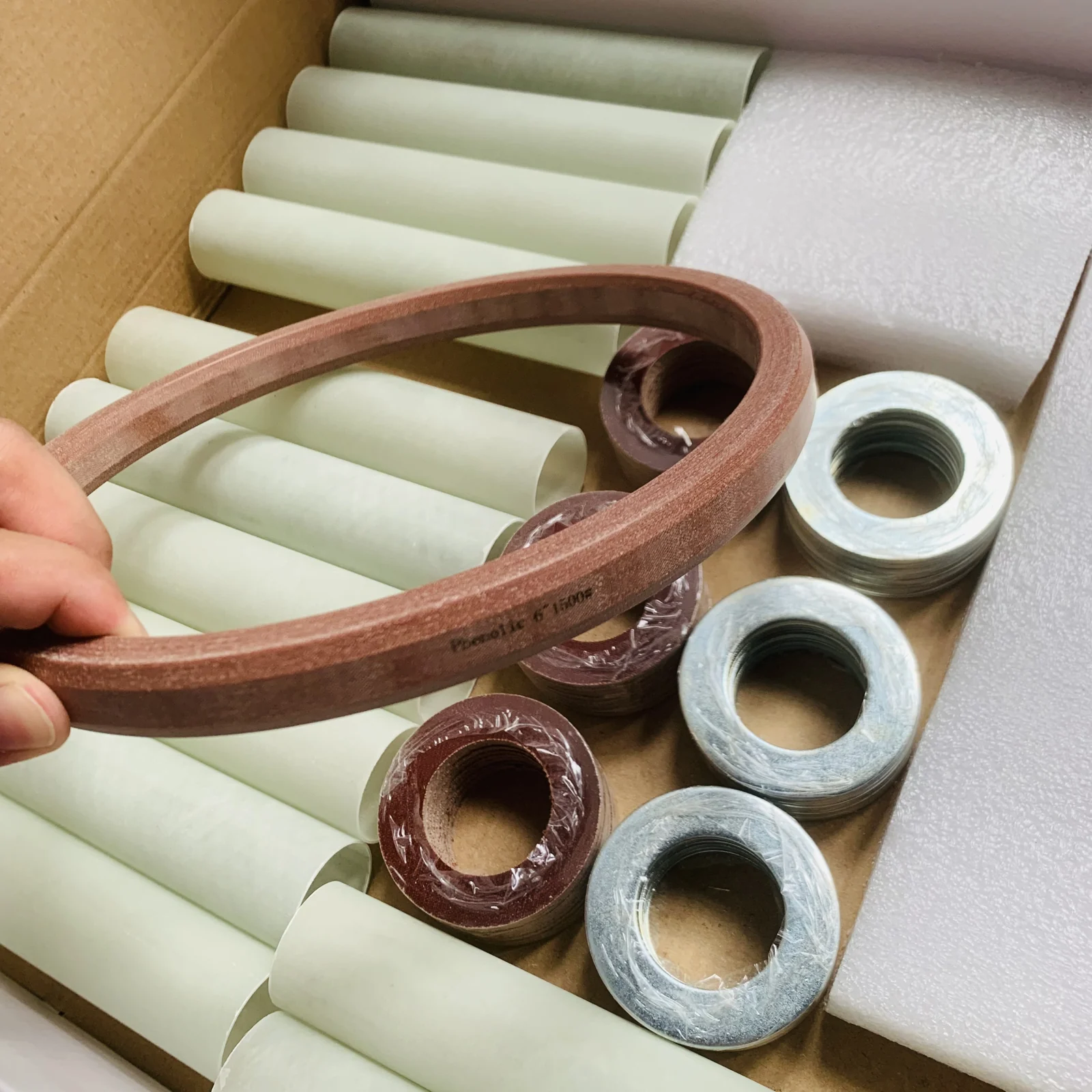
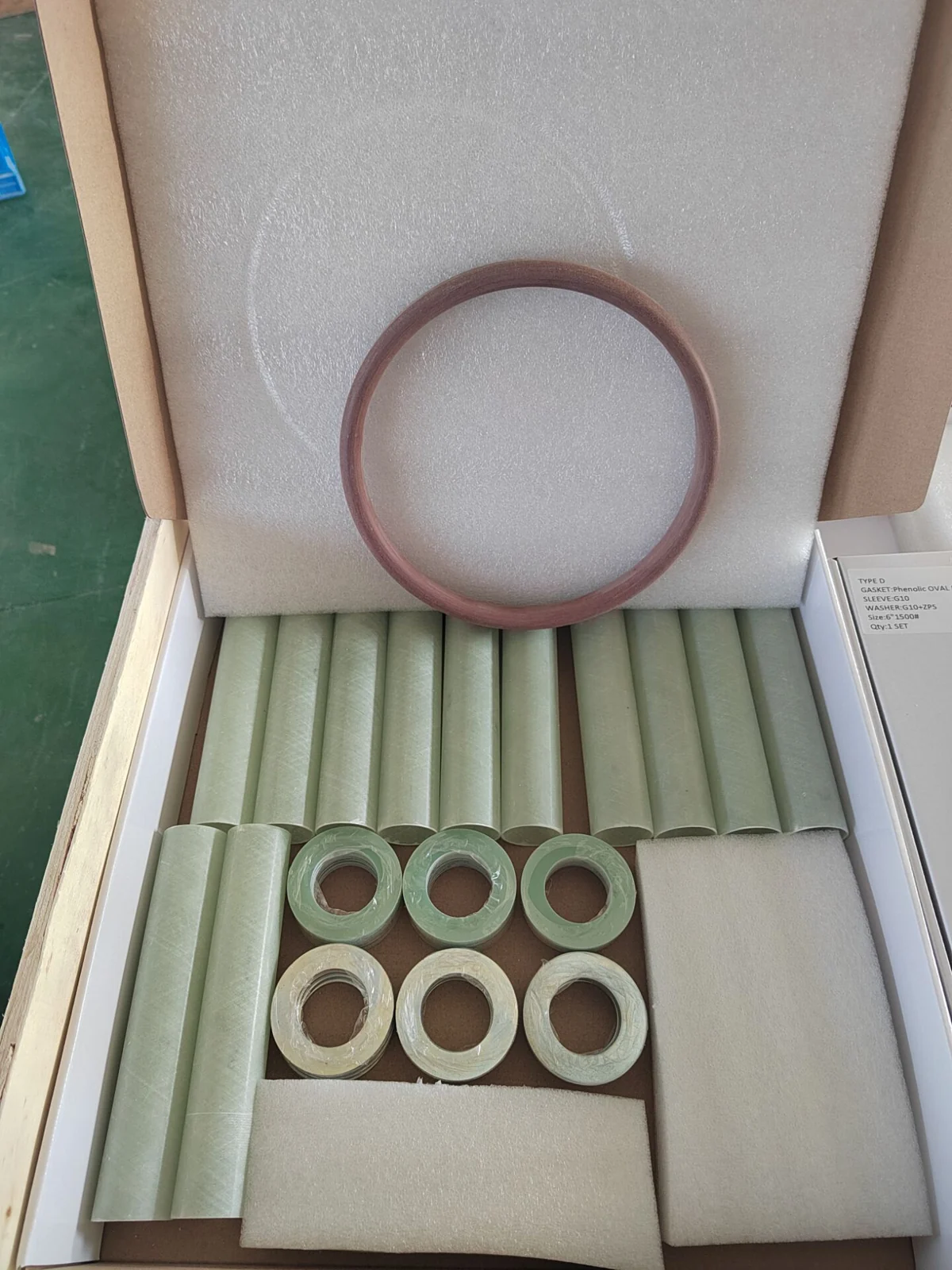
List the complete component set
| Component | What to specify |
|---|---|
| Central gasket | Construction, dimensions and sealing element. |
| Sleeves | Material, bolt clearance and finished length. |
| Insulating washers | Material, dimensions and quantity. |
| Metal backup washers | Material, dimensions and arrangement. |
| Identification | Kit reference, part numbers and packing by assembly. |
The intended isolation path depends on the assembled components. A washer or sleeve substitution can therefore affect the assembly even if its outside dimensions look similar.
Separate material requirements
Phenolic, G10 and elastomer/PTFE sealing elements are different material decisions. G10 and FR-4 should not be treated as identical names without the specified grade. Include fluid and operating conditions as well as the electrical-isolation requirement.
Do not infer fire safety, pressure class or an electrical test result from a product photograph or a generic material name. Request evidence for the actual kit when the project requires a particular approval or test.
Define inspection and installation
Include the electrical test requirement, dimensional checks and any third-party witness points in the purchase description. The test method and assembled condition matter; they should match the responsible engineering specification.
Use the installation procedure for the selected kit and joint. Bolting, flange cleanliness and prevention of unintended conductive paths need the correct procedure rather than an assumed universal sequence.
Keep the quotation and packing list aligned
The quotation should identify the complete kit arrangement and quantity of each component. Ask for packing and labels that keep one assembly’s components together. For mixed sizes, retain a separate line for each flange and kit configuration.
The RFQ checklist provides a purchase-list format, while the measurement guide explains the dimensional drawing needed for a non-standard component.
Product construction and material details
Flange isolation gasket, sleeves and washers Flange isolation kit in protective packaging
Frequently asked questions
Can I order only the central gasket?
Yes, you can request the individual component, but identify the existing assembly and requirements. Do not assume it is equivalent to a complete kit.
Are G10 and FR-4 the same material?
They are not interchangeable names for procurement without a defined specification. Retain the exact grade and applicable requirements.
Does the flange pressure class certify the kit?
No. The complete product construction and supporting documents must meet the project requirement. A flange designation is not a product test certificate.
Related products
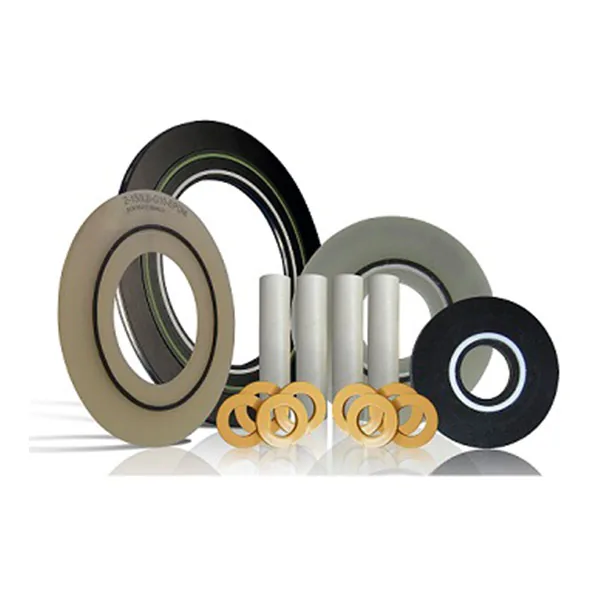
Flange Insulation Kits
A coordinated assembly of gasket, insulating sleeves and washers for a specified flange.
- Assembly
- Gasket, insulating sleeves and washers
- Gasket configurations
- Full-face, ring-style and specified RTJ configurations
A material name or kit appearance does not establish an electrical, fire or pressure approval.
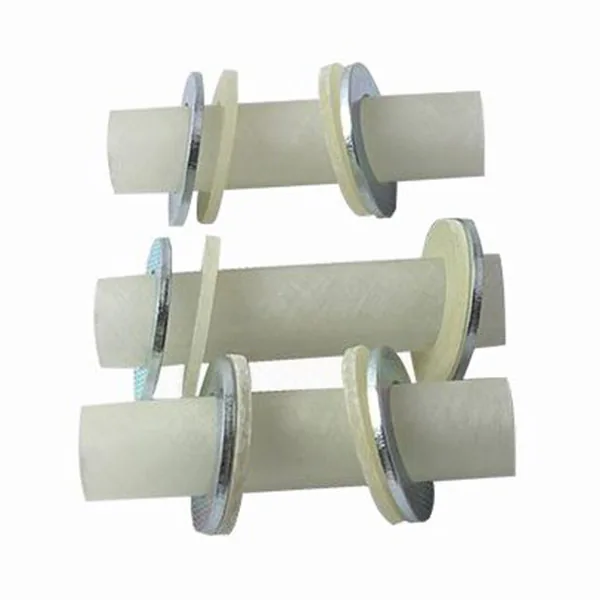
G10 Insulation Tubes
Epoxy-glass laminate tubes for insulating components.
- Product form
- G10 epoxy-glass tubing and drawing-based cut lengths
- Ordering dimensions
- Grade
A material name or kit appearance does not establish an electrical, fire or pressure approval.
No products match. Clear your search or send your requirements.
Related reading
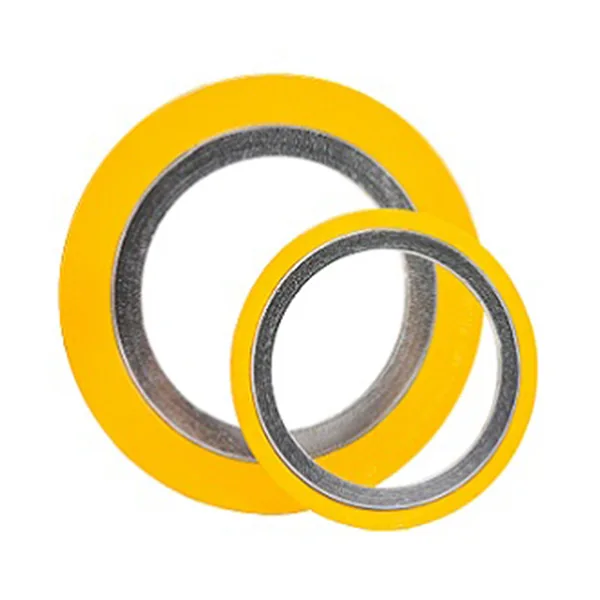
How to Measure a Gasket for a Replacement
Record the geometry, units and material as separate parts of the replacement specification. A used gasket can be compressed or distorted, so compare sample measurements with the flange or equipment drawing wherever possible.
Read more →Industrial Gasket RFQ Checklist
A complete gasket RFQ identifies geometry, construction, material, quantity and delivery scope. Keep each size on its own line and mark unresolved fields so the supplier does not need to assume a grade, ring style or inspection requirement.
Read more →Product information
Review the product construction and ordering details before submitting a quotation request.
View product specifications ↗