
Which dimensions identify a flat ring gasket?
Record inside diameter, outside diameter and thickness. Use one unit system, identify each measurement on the sketch and state whether the value comes from a drawing or a used sample. Add tolerances where the drawing requires them.
| Feature | Record | Why it matters |
|---|---|---|
| Inside diameter | Bore-side opening | Identifies the flow-side geometry. |
| Outside diameter | External boundary | Establishes seating and installation clearance. |
| Thickness | Specified finished thickness | A used compressed thickness may not equal the original. |
| Bolt holes | Count, hole diameter and bolt-circle diameter | Locates the mounting pattern. |
| Non-circular shape | Dimensioned profile/drawing | Two overall dimensions do not define every contour. |
What changes for a spiral wound gasket?
Identify the sealing element and each ring separately. A complete assembly can have an inner ring, winding and outer centering ring, each with its own diameters. One overall ID and OD can therefore hide the dimensions that determine fit.
Include the flange standard, size, pressure class and construction when available. Use the R, IR, CG and CGI comparison to label the parts of the assembly instead of treating every metal ring as the sealing element.
How do I record exchanger and partition details?
Include pass partitions, bars, tabs, bolt holes and non-circular features on the complete drawing. Mark orientation and intersections so the production drawing describes one unambiguous geometry. Provide the mating equipment drawing if the removed gasket is damaged.
The metal-jacketed gasket page describes the construction information needed alongside those dimensions. A clear photograph can assist identification, but it cannot establish hidden thickness or material.
What can a used sample tell me?
A used sample can show the general shape and possible construction. Compression, corrosion, deposits and handling can alter dimensions and surfaces. Label sample measurements as approximate and distinguish a measured thickness from the required replacement thickness.
Do not infer an RTJ ring designation from an arbitrary measured diameter. Retain the ring number and profile where readable, then verify the dimensions against the corresponding standard and flange groove.
What else belongs with the drawing?
- Part number and drawing revision.
- Material, filler, facing or reinforcement.
- Quantity for each size.
- Relevant operating conditions.
- Inspection and delivery requirements.
Use the gasket RFQ checklist to send a complete purchase description. The drawing establishes geometry; the material specification establishes the product construction.
Product construction and material details
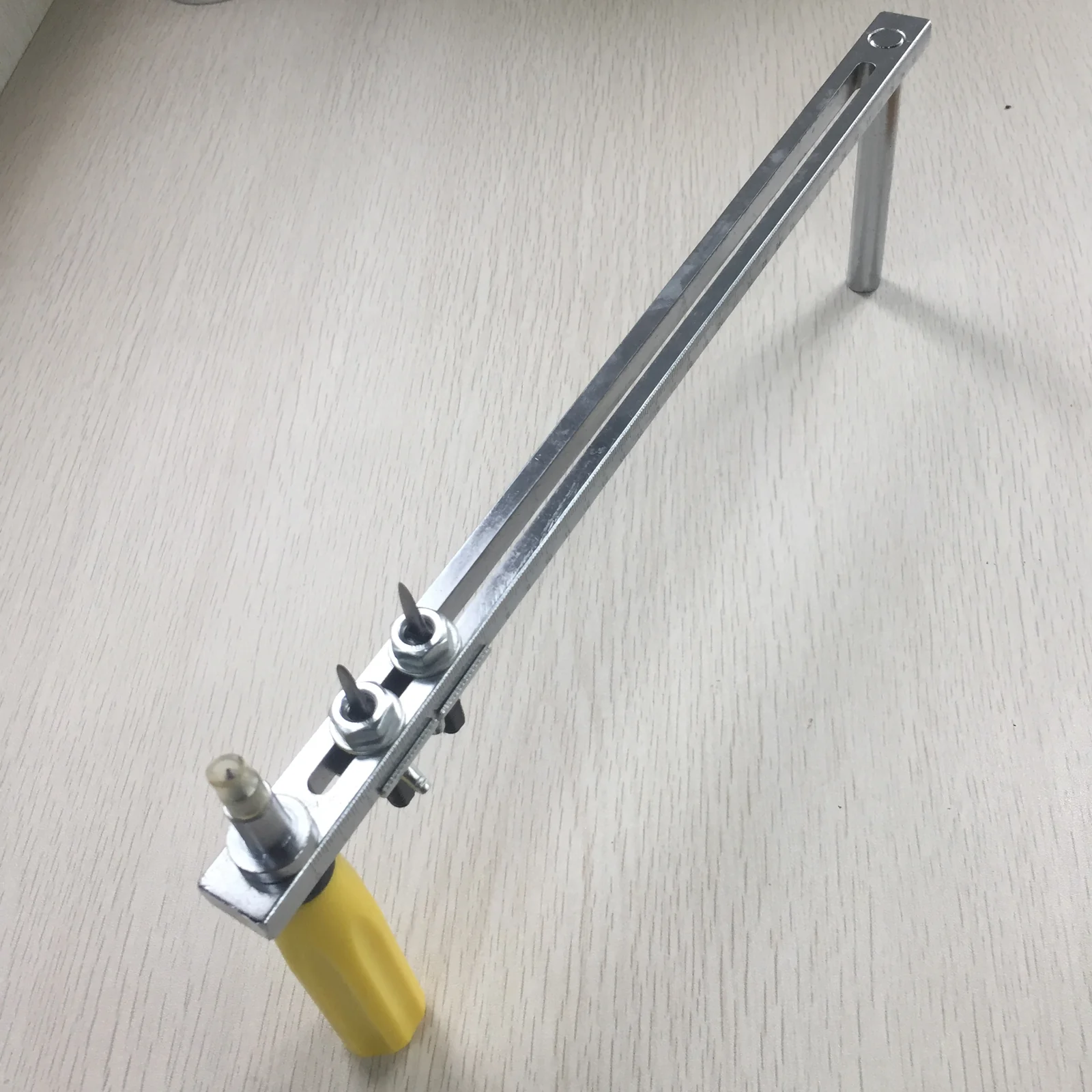
Manual circular gasket cutting tool
Frequently asked questions
Can I use the compressed thickness of the old gasket?
Identify it as a used-sample measurement. Confirm the required replacement thickness against the drawing or equipment specification.
Is a photograph enough for a custom gasket?
A photograph helps identify shape but does not establish dimensions or material. Supply a dimensioned drawing or clearly labeled measurements.
Do bolt-hole gaskets need the bolt-circle diameter?
Yes, include the hole count, hole size and bolt-circle diameter unless the complete applicable standard already defines them.
Related products
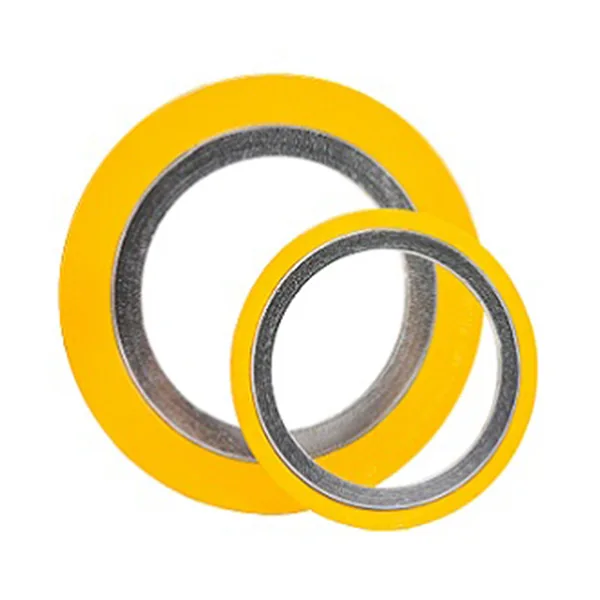
Spiral Wound Gaskets
A semi-metallic gasket combining a wound metal strip with a compressible filler.
- Construction
- Basic R, IR, CG and CGI
- Winding / filler
- Stainless steel winding with graphite or PTFE filler options
Ring style, winding alloy and filler must match the flange specification.
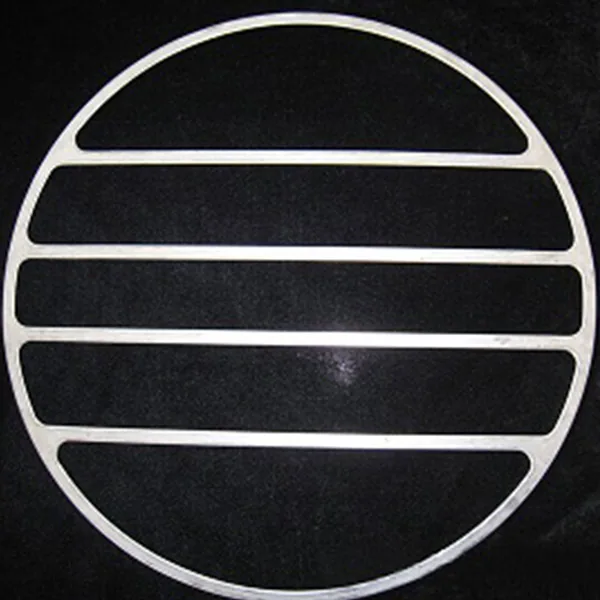
Metal Jacketed Gaskets
A metallic jacket encloses the filler to form a composite gasket.
- Product form
- Double-jacketed and drawing-based configurations
- Ordering dimensions
- Complete drawing
A standard reference identifies dimensions or design requirements; it does not certify every material for the service.
No products match. Clear your search or send your requirements.
Related reading
Spiral Wound Gasket Types: R, IR, CG & CGI
R, IR, CG and CGI identify different ring arrangements around the spiral wound sealing element. Specify the winding alloy, filler and ring materials separately; the style code alone is not a complete gasket description.
Read more →Industrial Gasket RFQ Checklist
A complete gasket RFQ identifies geometry, construction, material, quantity and delivery scope. Keep each size on its own line and mark unresolved fields so the supplier does not need to assume a grade, ring style or inspection requirement.
Read more →Product information
Review the product construction and ordering details before submitting a quotation request.
View product specifications ↗