
What changes between R, IR, CG and CGI?
All four constructions use a metallic winding and a compressible filler. The additional rings change the assembly geometry and how the gasket is positioned. Style naming can vary between suppliers, so retain the approved drawing or standard with the designation.
| Style | Sealing element | Inner ring | Outer ring |
|---|---|---|---|
| R / basic | Metal winding and filler | No | No |
| IR | Metal winding and filler | Yes | No |
| CG | Metal winding and filler | No | Yes |
| CGI | Metal winding and filler | Yes | Yes |
Why does ring selection matter?
The outer ring locates the gasket in a matching flange arrangement. The inner ring occupies the bore-side area of the assembly and forms part of the specified construction. Neither ring should be added, omitted or changed solely because a replacement has a similar appearance.
The relevant questions are whether the gasket fits the flange seating geometry, whether the bore has the required clearance and whether each metal and filler is suitable for the process. Check these points against the equipment or piping specification.
What belongs in the gasket description?
- Flange standard and required edition.
- Nominal size and pressure class or complete dimensions.
- R, IR, CG or CGI construction, confirmed by drawing where needed.
- Winding metal, filler and each ring material.
- Quantity, marking and required inspection documents.
The spiral wound gasket product page lists the construction choices. The gasket measurement guide explains which dimensions need separate labels.
Can CG be replaced with CGI?
Treat the change as a specification review, not an automatic upgrade. Adding an inner ring changes the assembly and bore-side geometry. The flange design and applicable material specification determine whether the alternative is acceptable.
Similarly, a basic winding without a centering ring needs the specified joint geometry and positioning. Do not transfer a basic-style gasket into another flange arrangement based only on nominal diameter. If the original part cannot be identified, send the flange drawing rather than making the style decision from a photograph.
How should material and documents be checked?
A short description such as stainless steel/graphite leaves important fields unresolved. Identify the metal grade for winding and rings, then specify the filler. Color markings can assist identification but should be checked against the supplier’s documented marking system.
Ask for the documents required by the order: material identification, dimensional checks and any agreed product testing. A dimensional standard reference does not establish a supplier’s certification. Use the RFQ checklist to keep those requests attached to the correct item.
Technical basis
The product construction terminology follows Kaxite’s KXT-600 catalog and the gasket-design framework used in ASME B16.20. This guide explains ordering distinctions; it does not reproduce the standard or establish application limits. Use the project-specified edition and approved drawing for acceptance.
Product construction and material details
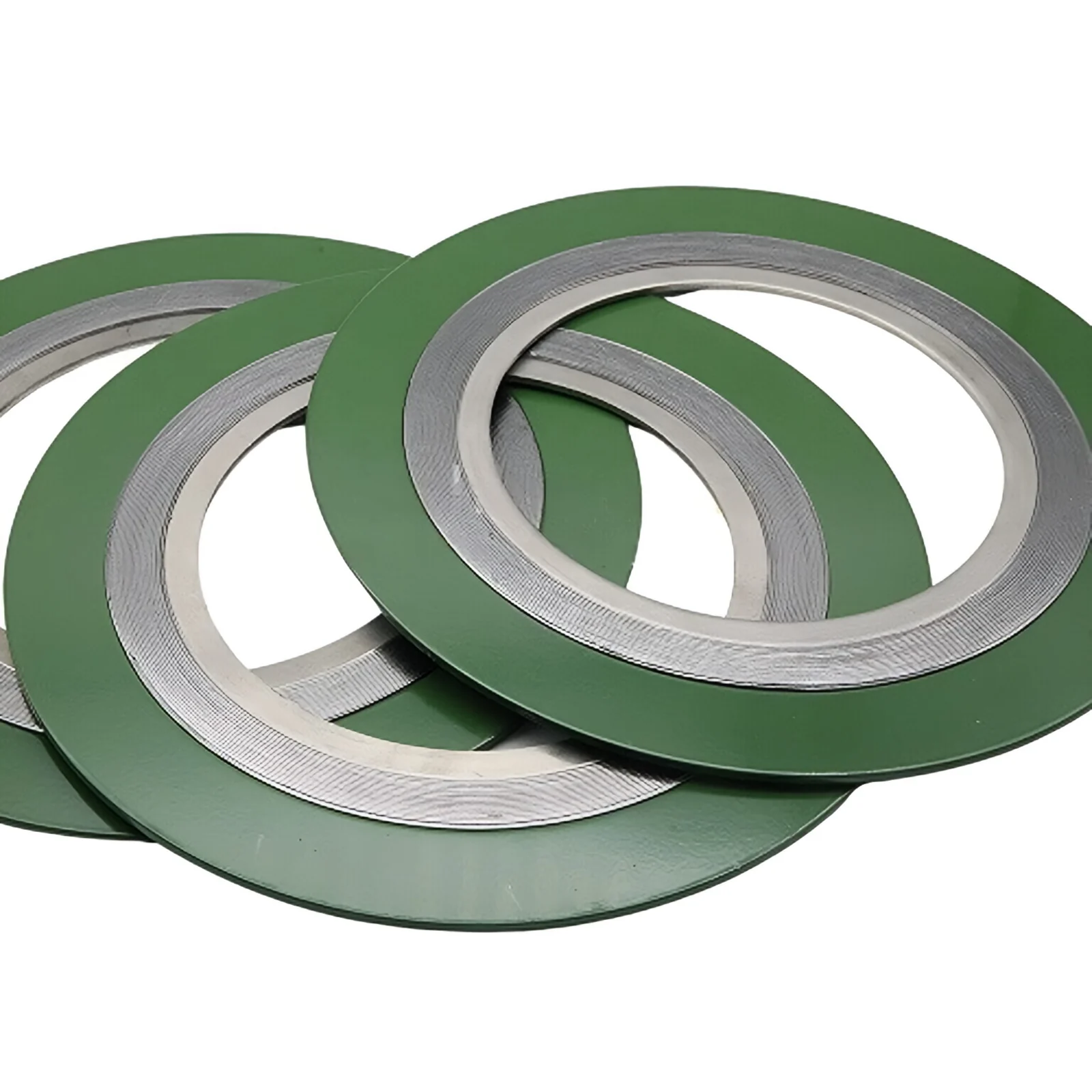
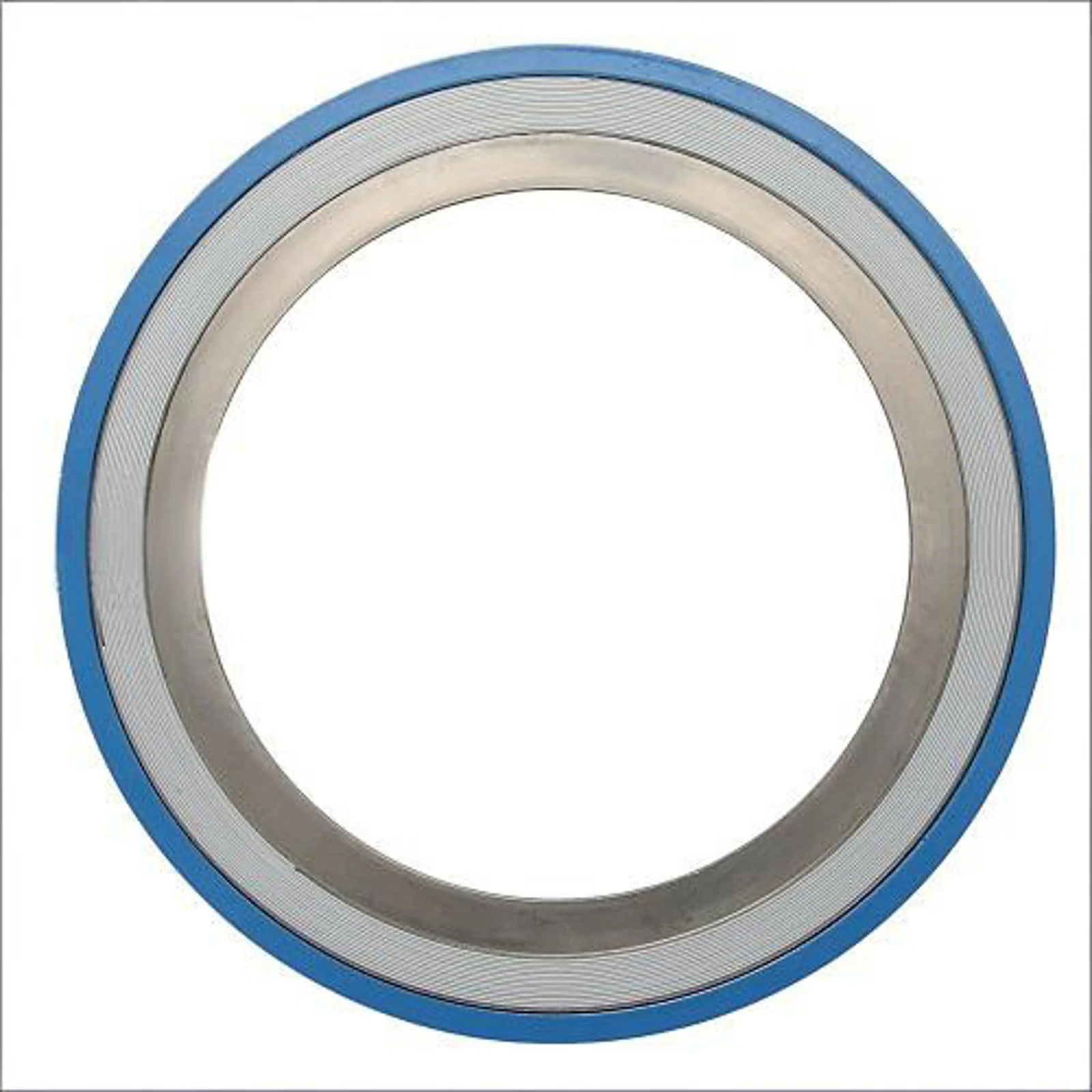
Spiral wound gaskets with metal inner and outer rings PTFE-filled spiral wound gasket Comparison: a faced kammprofile gasket uses a grooved metal core rather than a spiral winding.

Frequently asked questions
Does CGI always mean a higher pressure rating?
No. CGI identifies a ring arrangement, not a standalone pressure rating. The flange specification, dimensions, materials and application conditions determine the approved gasket.
Are CG and outer-ring gasket the same description?
CG commonly identifies an outer-ring construction. Confirm the supplier designation against the drawing and list the winding, filler and ring materials separately.
Can I identify the material from ring color?
Use the documented marking scheme and product records. Appearance alone does not establish winding alloy, filler grade or ring material.
Related products
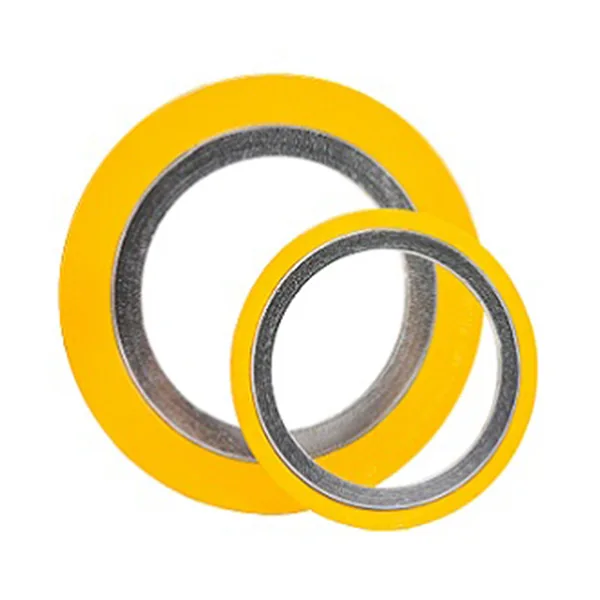
Spiral Wound Gaskets
A semi-metallic gasket combining a wound metal strip with a compressible filler.
- Construction
- Basic R, IR, CG and CGI
- Winding / filler
- Stainless steel winding with graphite or PTFE filler options
Ring style, winding alloy and filler must match the flange specification.
No products match. Clear your search or send your requirements.
Related reading
How to Measure a Gasket for a Replacement
Record the geometry, units and material as separate parts of the replacement specification. A used gasket can be compressed or distorted, so compare sample measurements with the flange or equipment drawing wherever possible.
Read more →Industrial Gasket RFQ Checklist
A complete gasket RFQ identifies geometry, construction, material, quantity and delivery scope. Keep each size on its own line and mark unresolved fields so the supplier does not need to assume a grade, ring style or inspection requirement.
Read more →Product information
Review the product construction and ordering details before submitting a quotation request.
View product specifications ↗