
Identify the part before comparing prices
Use a part number and drawing revision, or a complete flange specification. A product family name is a starting point; it does not define winding alloy, filler, ring arrangement or finished dimensions. For equipment gaskets, include the full drawing and any partition bars.
If you are replacing an uncertain part, use the measurement checklist and identify which measurements come from a used sample. A supplier can then distinguish known dimensions from open questions.
Keep one order line for each construction
| Field | Information to provide |
|---|---|
| Identity | Part number, drawing revision or standard and edition. |
| Construction | Product type, rings, facing, reinforcement or braid. |
| Material | Exact metal alloy, polymer grade, filler or elastomer compound. |
| Dimensions | Units, thickness, shape and tolerances. |
| Quantity | Pieces, rings, sheet/roll format, length or weight as applicable. |
| Service | Equipment, fluid and relevant operating conditions. |
| Documents | Inspection, material records and any approval requirement. |
| Delivery | Destination, required date and requested shipping basis. |
Which details are product-specific?
Spiral wound gaskets need ring style, winding and filler. RTJ rings need profile, ring number and metal requirements. Kammprofile gaskets need core, facing and centering arrangement. Packing needs fiber, treatment, section size and equipment duty.
Compare spiral wound constructions before selecting a style. The packing selection checklist addresses the different information needed for pumps and valves.
State the commercial and inspection scope
Ask the quotation to identify minimum quantity, production lead time, sample charges, payment schedule, packing and shipping basis. Put project-specific records and inspection arrangements in the inquiry, not in a later email after production has begun.
A product-standard reference is different from a material report, a factory management certificate or a product approval. Name the document and its required scope so availability can be checked for the actual item.
Use the purchasing-list template
The CSV template can hold the main fields for a mixed-product inquiry. Attach drawings separately and retain the part or line reference in each file name. You do not need to retype every dimension already clearly shown on the drawing.
Review the quote against the same item list
Compare each offered item against the requested material, construction, dimensions and quantity. Identify proposed alternatives explicitly. Price differences can come from a different grade, finish, test scope, packaging or delivery basis rather than a like-for-like supply.
The sealing product directory provides the main families for organizing the list. Send the final requirement through the quotation form once the known fields have been recorded.
Product construction and material details
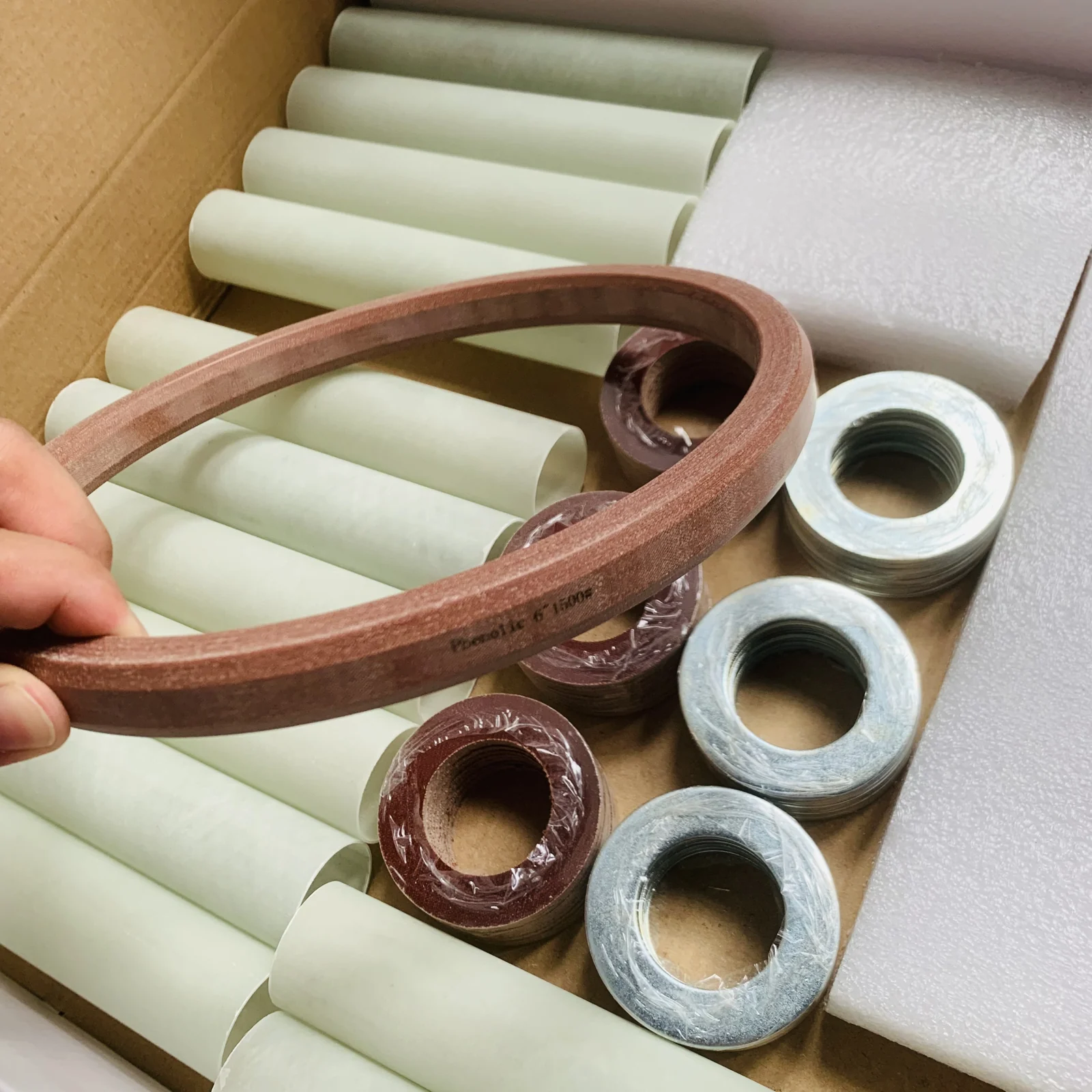
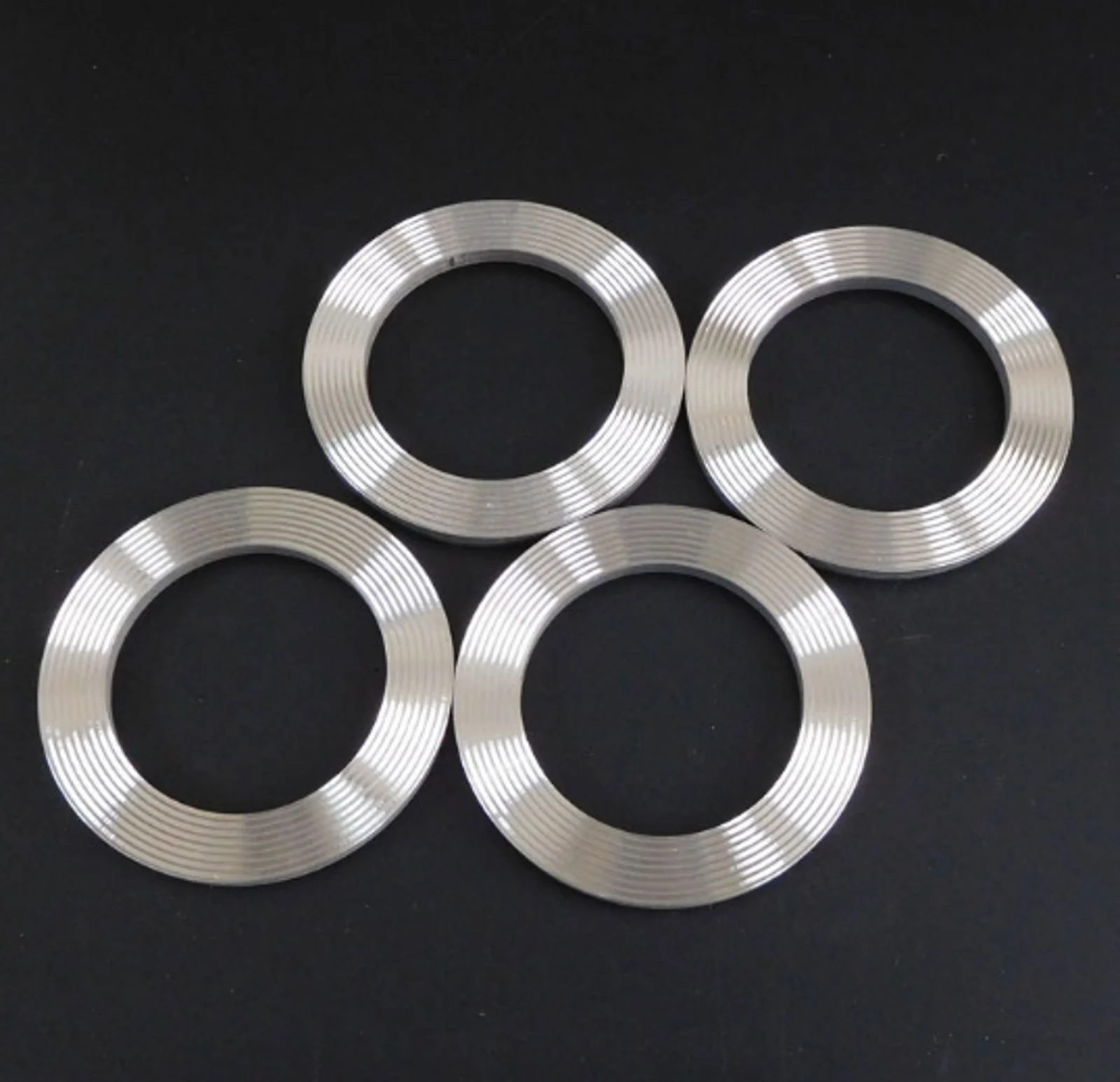
Flange isolation gasket, sleeves and washers Grooved metal gasket cores
Frequently asked questions
Can I send a drawing without completing every field?
Yes. Send the drawing and the information you have. Identify open items so the quotation does not silently assume them.
Should sample and inspection costs be included in the RFQ?
Yes. State sample quantity, trial needs, third-party inspection and required documents before quotation. Their availability and cost are order-specific.
Can one RFQ include gaskets, packing and materials?
Yes. Keep each item and quantity on a separate line, with the appropriate material and dimensional fields for that product.
Related products
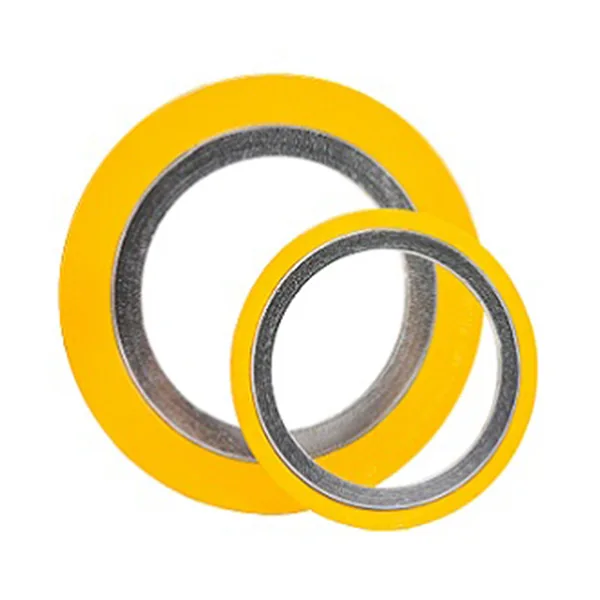
Spiral Wound Gaskets
A semi-metallic gasket combining a wound metal strip with a compressible filler.
- Construction
- Basic R, IR, CG and CGI
- Winding / filler
- Stainless steel winding with graphite or PTFE filler options
Ring style, winding alloy and filler must match the flange specification.
No products match. Clear your search or send your requirements.
Related reading
How to Measure a Gasket for a Replacement
Record the geometry, units and material as separate parts of the replacement specification. A used gasket can be compressed or distorted, so compare sample measurements with the flange or equipment drawing wherever possible.
Read more →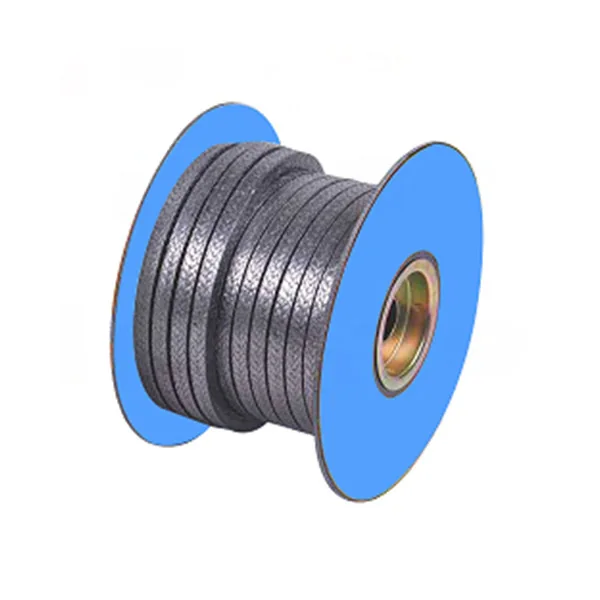
Pump & Valve Packing Selection Checklist
Identify the equipment movement before choosing a packing material. Pump shafts, reciprocating equipment and valve stems have different duties; fiber, impregnation, reinforcement and section size must be matched to the actual stuffing box.
Read more →Product information
Review the product construction and ordering details before submitting a quotation request.
View product specifications ↗