

Material and ordering dimensions
| Specification | Details | Ordering note |
|---|---|---|
| Material family | PEEK | Exact grade and any reinforcement must be specified. |
| Stock forms | Sheet, rod or tube subject to size review | List the required form and dimensions. |
| Order dimensions | Sheet thickness/width/length; rod diameter/length; tube OD/ID/length | Use one unit system. |
| Machined supply | Subject to drawing and process review | State tolerances, surface and inspection requirements. |
| Manufacturing source | Kaxite-owned factory | Based on company confirmation; agree order-specific processing. |
Choose the grade before choosing the stock size
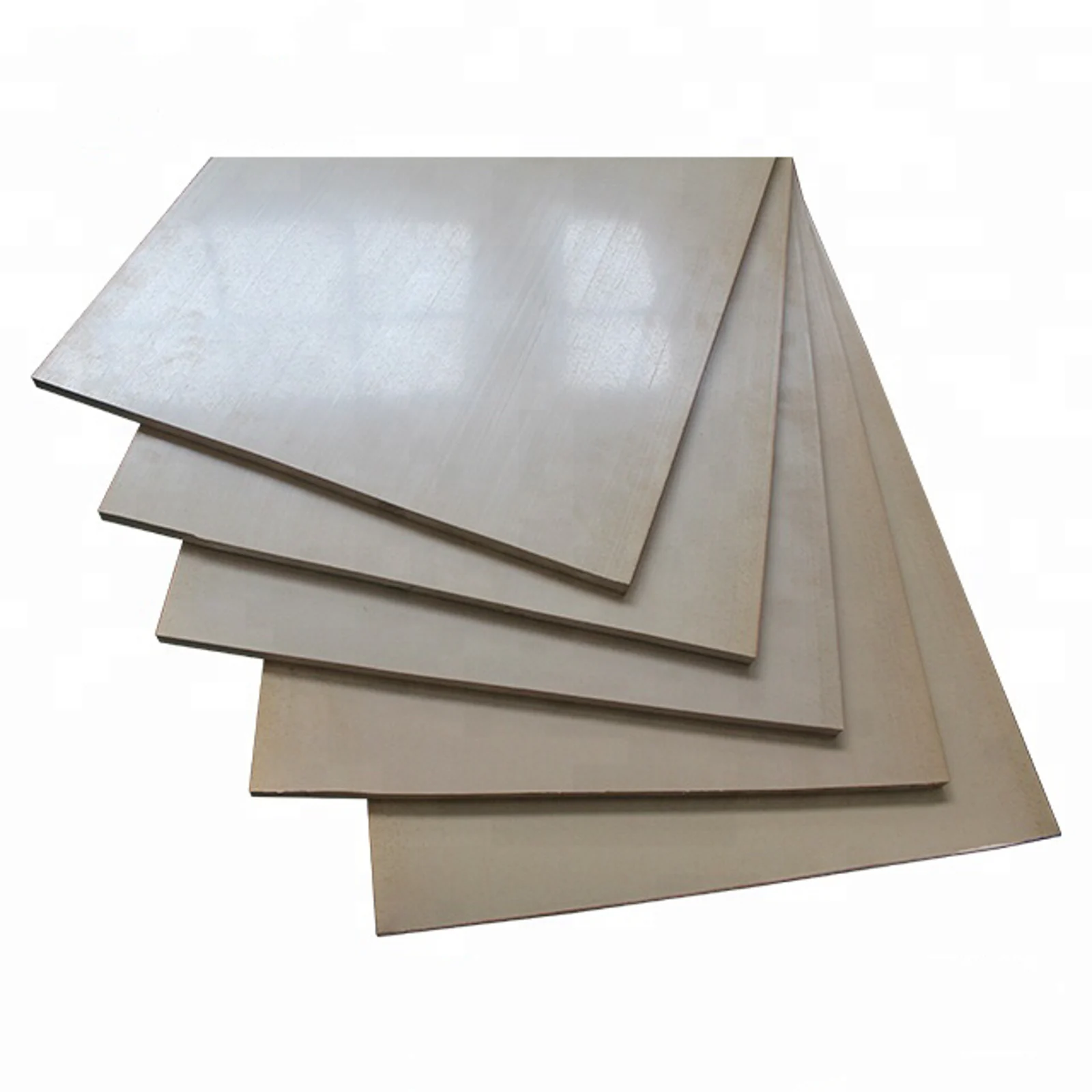
State the required PEEK grade and identify any filler or reinforcement in the material specification. Unfilled and filled formulations must be reviewed against their own data; a beige or dark surface is not proof of composition.
For sheet, give thickness and cut dimensions. For rod, give diameter and length. For tube, give outside diameter, inside diameter and length. Identify whether stock allowance is needed for a later machining operation.
From stock shape to a drawing-based component
A stock quotation and a finished-part quotation need different information. For a machined bearing component, spacer, guide or sealing part, provide the finished drawing revision, fit dimensions and acceptance requirements. These examples describe parts to review, not qualification for an unspecified operating duty.
Send temperature, media, load and movement details where they influence material selection. The exact grade data and the component design must support the application; this page does not assign one temperature or pressure rating to all PEEK products.
Inspection and material evidence
Specify the grade designation, dimensions, visual condition and material records required with the shipment. If a particular test, certification or regulated use is required, state its scope before quotation so availability can be checked for the actual grade and order.
For batch acceptance, identify which material records, dimensional checks and traceability references must accompany the shipment.
Handling stock and planning repeat machining
Keep material identified by grade and order. Protect finished surfaces and retain the stock reference when it is transferred to a machining batch. Mark critical fit dimensions and measurement conditions on the drawing.
For maintenance components, assess the worn part against an approved drawing. If a replacement material is proposed, obtain the applicable engineering approval before treating it as equivalent.
Product form and surface details
Review the stock form and surface, then specify the material grade and dimensions required for your order.
Custom supply, samples and documentation
Send the material designation, stock dimensions or finished drawing, quantity for each item, destination and requested date. Ask for the MOQ, stock or production lead time, sample availability and sample delivery cost as separate line items.
State your preferred EXW, FOB or CIF basis with the named place or port. The quotation should confirm the applicable trade term, payment schedule and documents. Tooling or first-article requirements need their own scope and timing.
Custom manufacturing review ↗Purchasing questions
Can I replace a filled PEEK grade with unfilled PEEK?
A substitution requires a material and component review. State the approved grade and the service requirements rather than assuming all PEEK formulations are interchangeable.
What dimensions are needed for a PEEK stock quotation?
For sheet, provide thickness and cut size; for rod, diameter and length; for tube, OD, ID and length. Add machining allowance and quantity where relevant.
What are the MOQ and lead time?
They depend on the selected grade, stock form, dimensions, quantity and any machining or inspection. Request separate confirmation for stock supply, samples and finished parts.
Request peek sheets, rods & tube stock
Contact Cindy with your material and dimension list. Attach the drawing where machining or a non-standard profile is required.
Send an RFQ ↗